Bangkok Explained — Everything First Timers Get Wrong
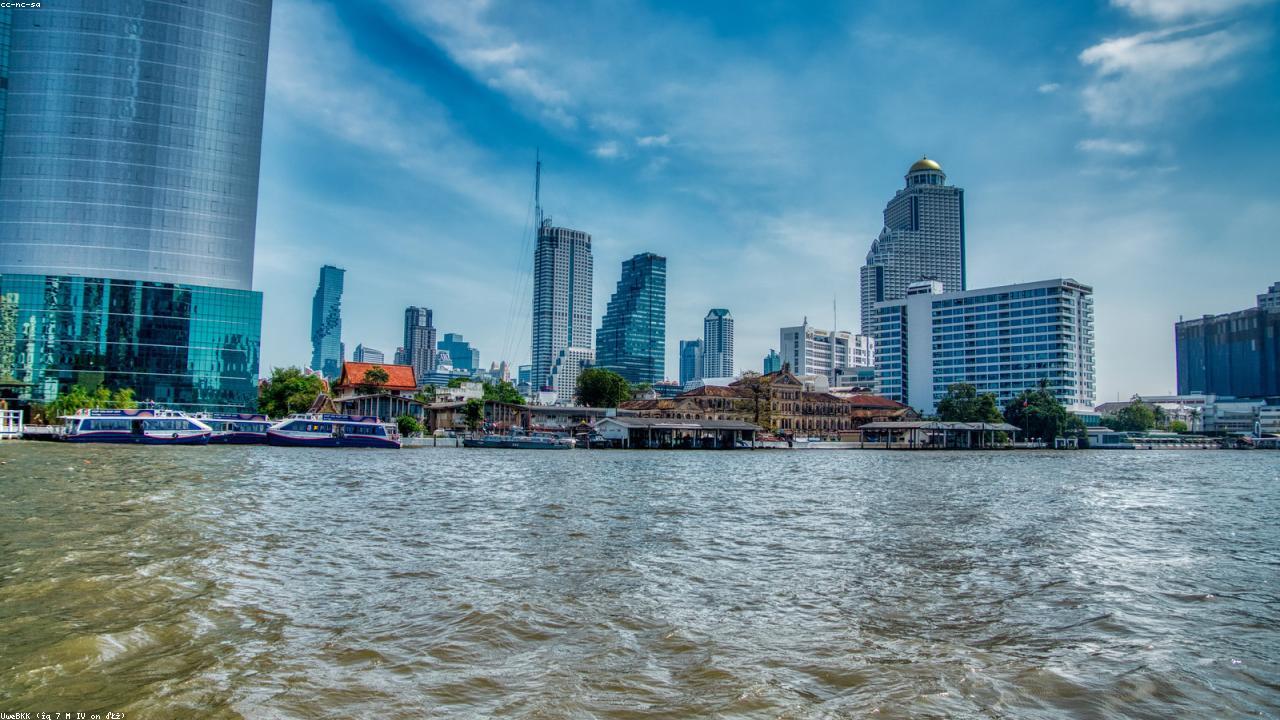
Bangkok breaks nearly every assumption first-time visitors bring with them. The city is bigger, faster, slower, stranger, and more rewarding than most people expect.
Quick Take
The city that breaks every assumption. Know before you go.
Most first-timers arrive in Bangkok with a very specific fantasy in their head. A few temples, a little street food, a rooftop bar, maybe a tuk-tuk ride, and somehow it all fits together neatly. It does not. Bangkok is one of the most rewarding cities in Asia, but it punishes the wrong assumptions faster than almost anywhere else.
This is the version people usually learn after they arrive. You get to know it before you go.
1. Bangkok Is Enormous
Let's start with the fact that changes everything.
Bangkok covers 65.7 square miles. That number feels abstract until you compare it to cities people actually know. Los Angeles? Smaller. Rome? Smaller. Madrid, Vienna, Berlin, Delhi and Mexico City? All smaller.
Bangkok is not just big. It is the kind of city that makes first-time visitors think they planned badly, when really they just planned as if the city was compact.
Most tourists arrive after seeing temples on Instagram, street food on YouTube, and rooftop bars in travel magazines. They assume Bangkok is the kind of place where everything is conveniently close together. It is not. Not even close.
This is why people book what sounds like a central hotel and still spend 45 minutes just getting to the Grand Palace. This is why Bangkok feels exhausting to some visitors. The problem is not the city. The problem is the assumption.
The fix is simple:
- stop thinking of Bangkok as one city
- start thinking of it as a collection of very different areas
- plan by neighborhood, not by landmark
Once you understand that, the rest of Bangkok starts to make much more sense.
2. Never Take a Taxi From the Airport
This is the mistake that costs first-timers money in the first hour.
Do not do it.
The Airport Rail Link starts on the lowest floor of Suvarnabhumi Airport. The ride into the city costs ฿35. That is roughly one British pound, one US dollar, less than a basic coffee in most Western cities.
The process is simple:
- switch the machine to English
- choose your station
- pay
- take the black token
- get on the train
Thirty minutes later you are in the city.
A taxi will often cost many times more. Worse, it will usually take longer because Bangkok traffic is real. During rush hour, a trip that should take thirty minutes can turn into something much uglier.
The Rail Link:
- does not sit in traffic
- does not need negotiation
- does not take random detours
- costs ฿35
Take the train.
If you need the full step-by-step version, go straight to Bangkok Airport Transfer.
3. The Boats Beat the Roads
This is the secret many travelers only figure out at the end of the trip.
Bangkok's river and canal boats often move faster than the roads during busy periods. The Chao Phraya River has more than 30 piers and multiple express boat lines. The trips are cheap and the views are better than anything you get from inside a taxi.
The Saen Saep canal boats are even more underrated. They cut across the city for almost nothing.
This matters because so many major sights sit naturally inside a boat-based day:
- Wat Arun
- Grand Palace area
- Chinatown access
- IconSiam
- flower market
- old town riverside stops
You can build an entire Bangkok day moving pier to pier, spend very little, and avoid sitting in traffic.
Most tourists never work this out. Now you already have.
4. Choose Your Area Wisely
Bangkok has 50 districts. That sounds terrifying until you realise most visitors only really need to understand a handful.
The mistake is choosing a hotel based on what sounds central rather than what matches who you are as a traveler.
Bangkok does not have one center. It has several.
Old Town / Rattanakosin
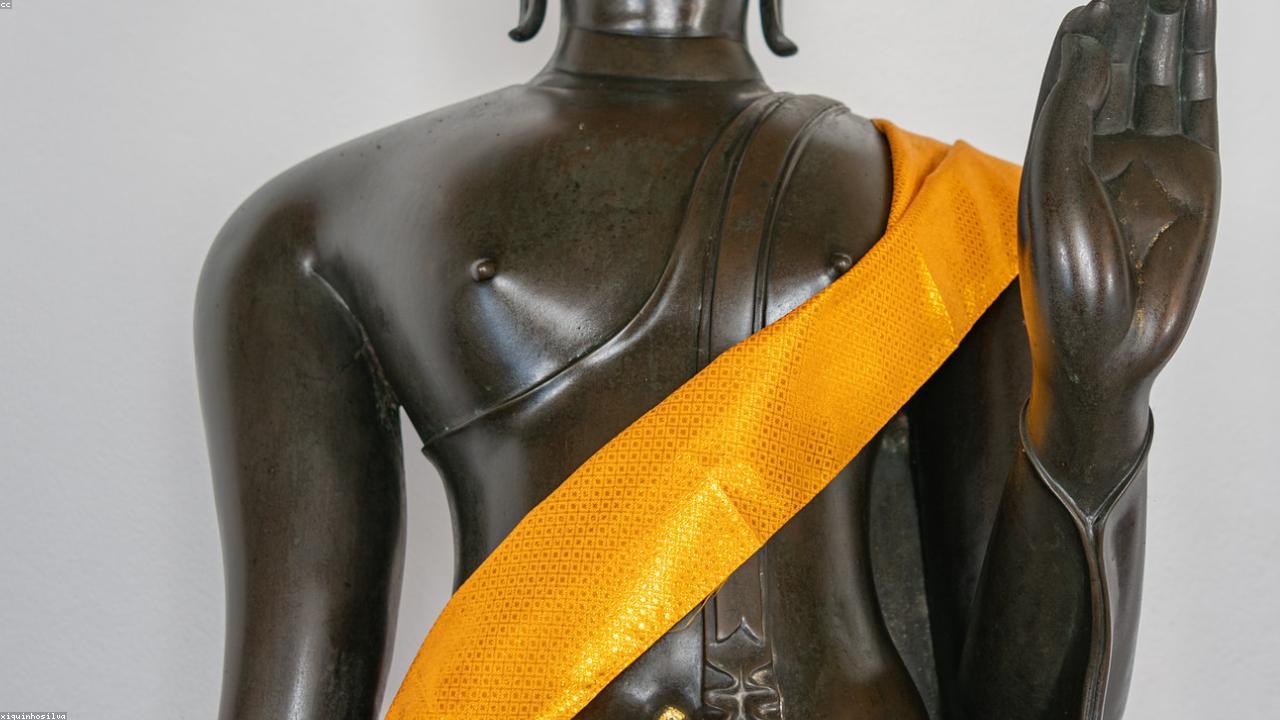
This is where the Grand Palace, Wat Pho, Wat Arun, and flower market live.
It is best for:
- first-timers
- families
- couples
- travelers who want culture and history first
The downside is that nightlife is limited and getting to other parts of the city can take time.
Chinatown and Riverside
This is where food and atmosphere take over.
It is best for:
- photography
- evening walks
- food-focused travelers
- people who want a stronger sense of old Bangkok
It often works better as a destination than a base.
Bang Rak / Silom
This is a strong all-rounder.
It gives you:
- good hotels
- rooftop bars
- better transport links
- a mix of food, city life, and easier movement
Sukhumvit / Watthana
This is the modern, expat-friendly, convenience-first version of Bangkok.
It is best for:
- repeat visitors
- digital nomads
- travelers who want modern comfort
- people who care about transport, dining, and convenience
Pick the area that matches who you are, not what sounds central.
Hotel Picks That Match This Advice
If you want the trip to feel easier, choose a hotel that fits your movement style instead of picking a random deal.
Where to sleep
Hotels we'd book for this trip
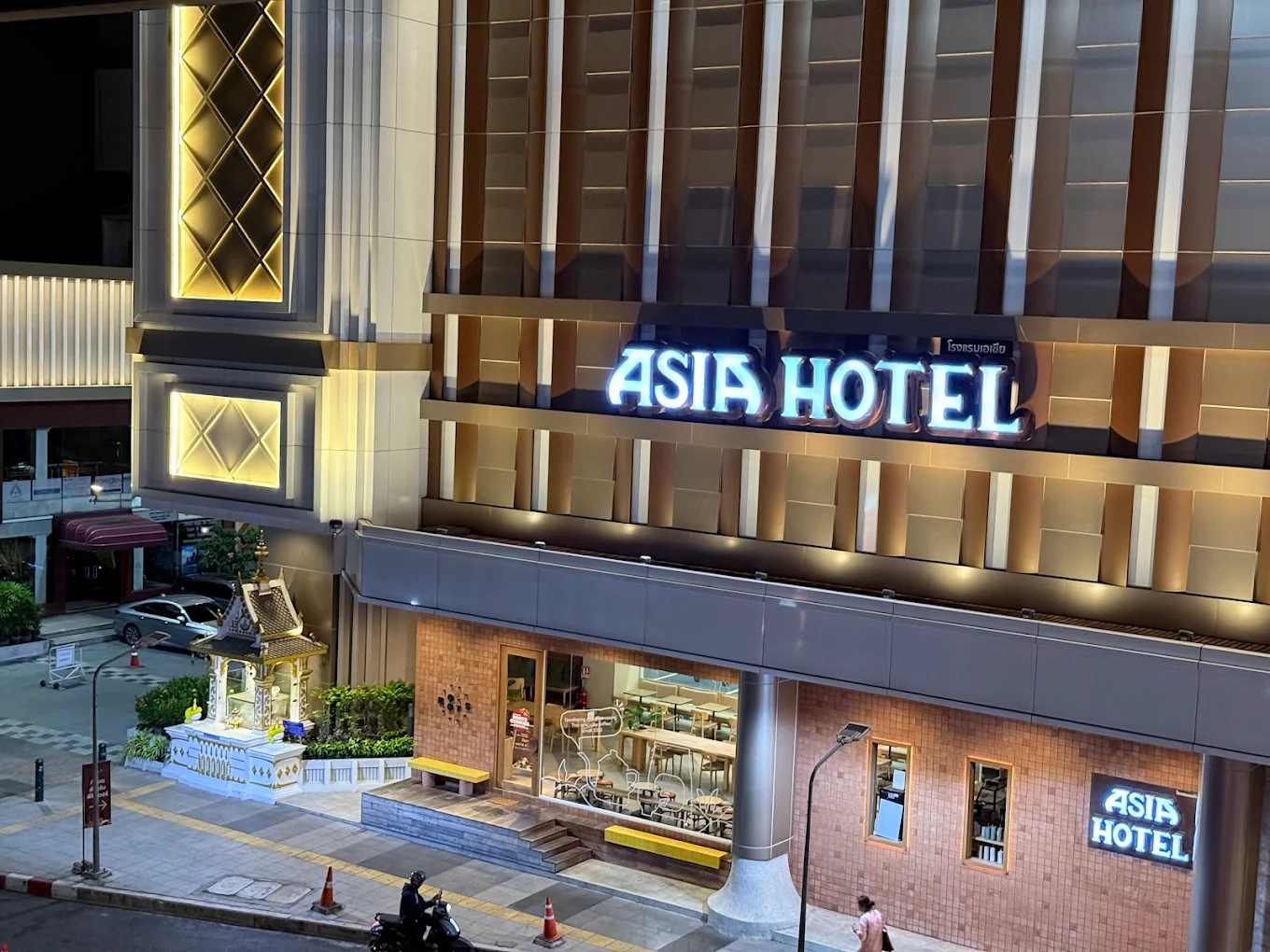
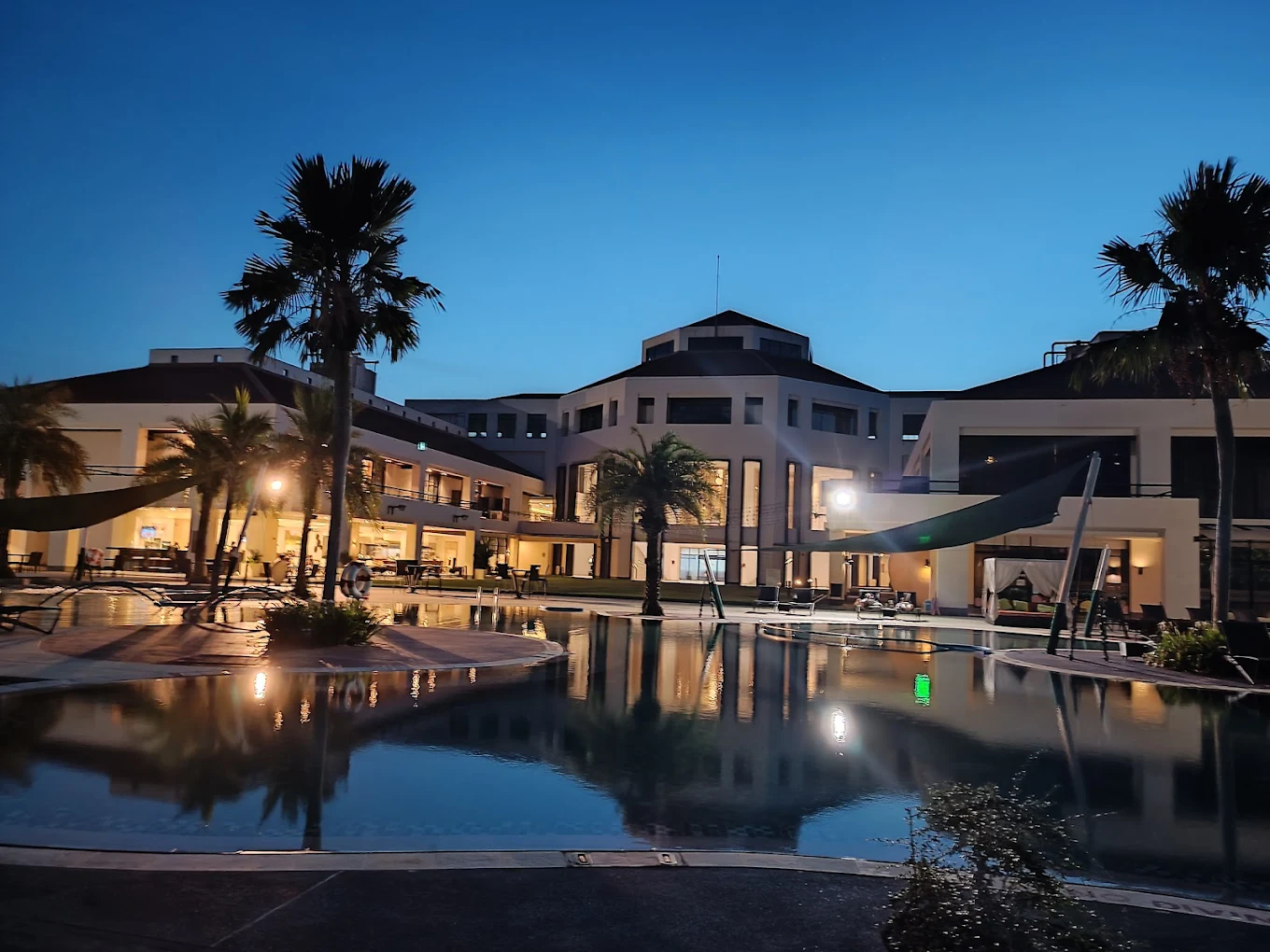
Prices are indicative. We earn a commission on Klook bookings; it doesn't change the order above.
5. Eat Where the Locals Eat
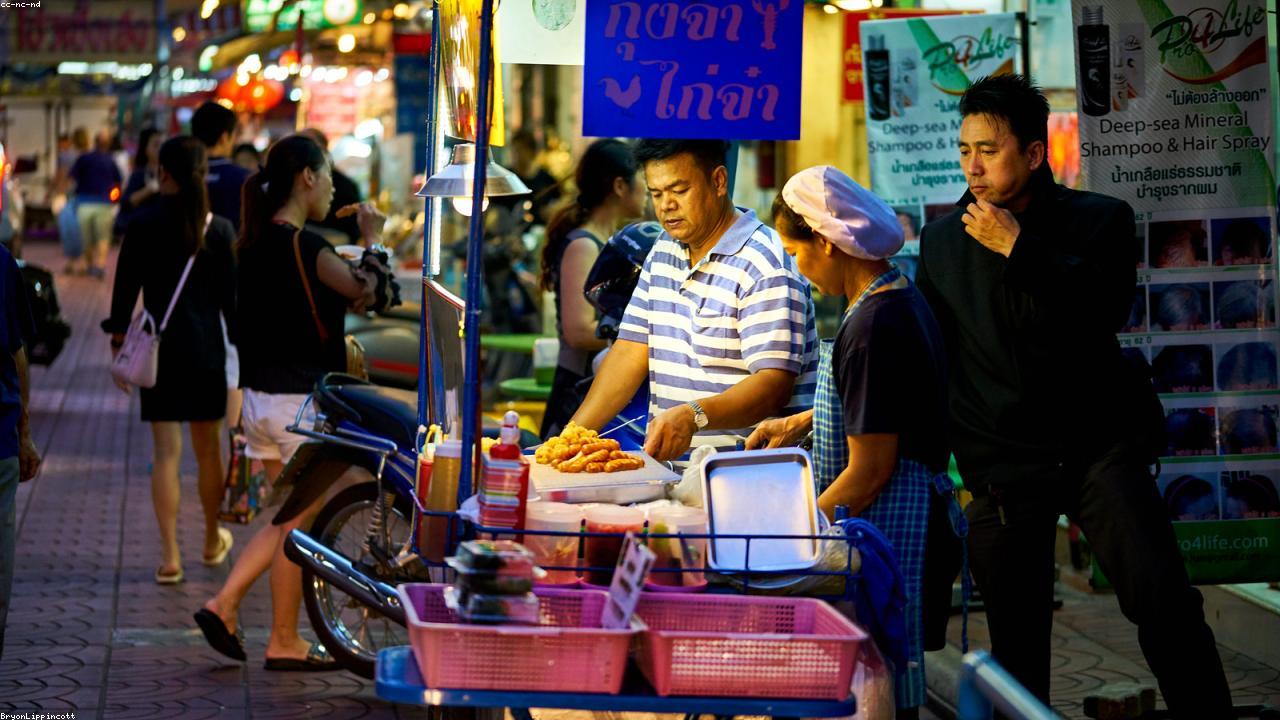
The best meal of your life in Bangkok might cost ฿60.
That is the food truth that surprises first-timers most. In Bangkok, quality and price are often disconnected in the best possible direction.
The best places usually have:
- no glossy English menu
- plastic stools
- one or two dishes done very well
- a queue of Thai customers
The places to be suspicious of usually have:
- laminated photo menus
- someone standing outside waving tourists in
- a menu designed entirely for foreigners
The rule is simple:
- if Thai people are queuing, pay attention
- if the place looks built to trap tourists, keep walking
Ordering by pointing is normal. Simplicity wins here.
If food matters to your trip, Bangkok Street Food Guide is the page to open next.
6. Start Early — The City Rewards It
Bangkok in the early morning feels like a different place.
It is:
- cooler
- quieter
- more beautiful
- easier to move through
This changes everything.
The flower market is best early. Wat Pho feels better before the crowds. The Grand Palace is much easier before the heat and group tours build up. Wat Arun in softer morning light is a different experience from Wat Arun in the middle of a hot afternoon.
If you are strategic, you can do several of Bangkok's most rewarding experiences before lunch and then let the afternoon slow down.
That is the rhythm many first-timers miss:
- mornings for the big sights
- afternoons for shade, pool, massage, or air conditioning
- evenings for food, rooftops, river views, or nightlife
Bangkok rewards people who start early and stop pretending they need to be “productive” all day.
Set the alarm. Bangkok is worth it.
Bottom Line
Bangkok is not difficult. It is just misunderstood.
First-timers usually get the same things wrong:
- they underestimate the size
- they over-trust taxis
- they ignore the boats
- they choose the wrong area
- they eat in the wrong places
- they start too late
Once you fix those six things, Bangkok becomes much easier and much more enjoyable.
Best Next Step
Use this piece as a reset, then move straight into the practical page that fixes your biggest risk:
- If you are worried about arrival, open Bangkok Airport Transfer.
- If you are still unsure where to stay, open Where to Stay in Bangkok for First-Time Visitors.
- If you want the easiest short-plan version, open Bangkok 1 Day Itinerary.
FAQ
What surprises first-time visitors most about Bangkok?
The city's sheer size and how much travel time changes by neighborhood and time of day, plus how normal it is to mix street food with modern malls and rooftop bars in the same afternoon.
Is Bangkok harder to navigate than people expect?
Not once you understand the BTS and MRT map. The confusion usually comes from trying to use taxis for cross-city trips during peak traffic instead of rail.
What is the biggest mistake first-time visitors make?
Overpacking the schedule. Bangkok rewards travelers who pick one area or one experience per block of the day instead of chasing too many stops.