Bangkok
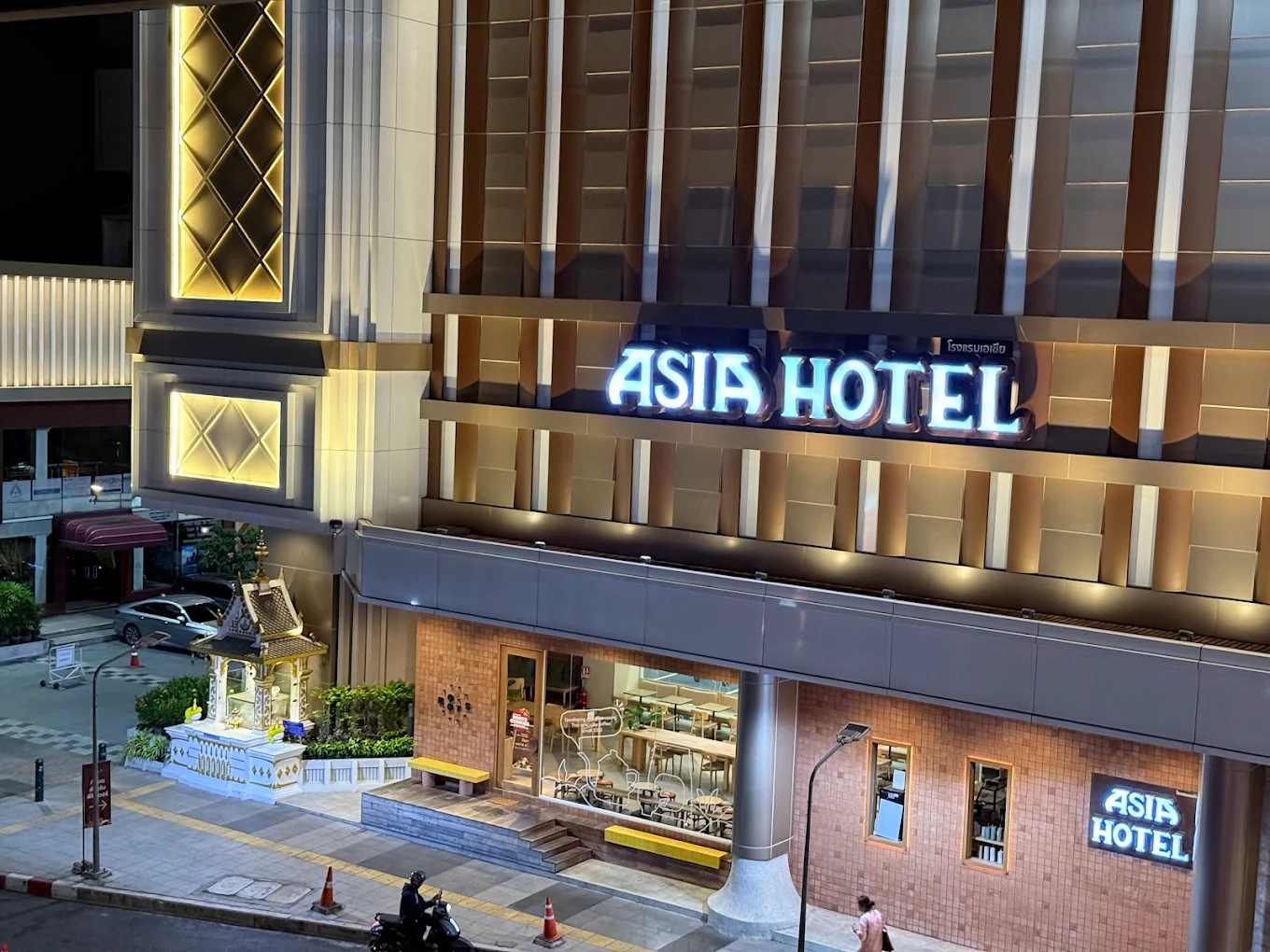
Asia Hotel Bangkok
4-star From $52

Bangkok Beginner Guide
Simple, practical advice to help first-time visitors feel prepared, avoid common mistakes, and enjoy Bangkok with less stress.

If this is your first time in Bangkok, expect the first day to feel intense, then easier very quickly. The city is busy, hot, and sometimes noisy, but it is not hard once you understand a few basics.
Bangkok is less about long all-day walks and more about moving between neighborhoods. Most people enjoy the city more when they plan by area, use the train for big moves, and leave room for breaks in air-conditioned places.
The biggest surprise is how much time traffic can add. A short map distance can still take a long time in a car, especially during rush hour or rain.
Another surprise is that walking quality changes quickly. One street has wide sidewalks and skywalk links, the next has narrow or broken pavement. Plan walking in short sections, not as your default for every route.
For Bangkok for first timers, location beats room size. Being near BTS or MRT will save time, reduce stress, and make your trip feel smoother.
Sukhumvit works well if you want convenience and nightlife. Siam and Chit Lom are great for shopping and easy transport links. Silom / Sathorn gives a solid mix of local food and train access. Riverside is scenic and calmer at night, while Khao San / Old Town is more about atmosphere than train convenience.
The most practical Bangkok travel tips start with transport. Use BTS and MRT whenever possible because they avoid traffic and are easy to understand after one or two rides.
Use Grab when train routes are awkward or late at night. For street taxis, ask for meter and move on if the driver refuses. Walking is best for short links in the right areas, not full-day city travel in Bangkok heat.
In Bangkok, 5 to 7 km can mean very different travel times depending on time of day. Morning and evening rush periods can turn a short ride into a long one.
A better approach is to plan one main district per half-day. This keeps your schedule realistic and helps you enjoy more instead of commuting more.
One key part of what to know before visiting Bangkok is payment flexibility. Cards are common in malls, hotels, and many restaurants, but cash still matters in markets and smaller local shops.
QR payments are everywhere, but many systems are easiest for local Thai banking apps. For most visitors, carrying small cash notes plus one or two cards is the most reliable setup.
Bangkok is one of the easiest places to eat well on almost any budget. If you are new to local food, start with popular stalls or mall food courts, then branch out.
If you are sensitive to spice, ask for less spicy in advance. Begin with cooked-to-order dishes before trying more adventurous options.
Bangkok is warm year-round, and humidity can drain energy faster than expected. Plan your day with indoor breaks and stay hydrated.
Pack breathable clothing, comfortable shoes, and something light for sudden rain. Also keep one temple-appropriate outfit ready so you do not lose time changing plans.
You do not need to know every cultural detail before arrival, but basic respect matters and is easy to follow. Dress modestly, speak softly, and observe what locals are doing.
When in doubt, follow posted signs and staff instructions. A respectful approach is always appreciated.
Bangkok is generally manageable for visitors, but normal city awareness helps. Keep valuables secure in crowded areas and use trusted transport methods.
Common issues are usually minor: non-meter taxi offers, inflated tourist pricing, or someone saying a major attraction is closed to redirect you elsewhere. Stay polite, decline, and move on.
A solid app setup removes a lot of first-day confusion. Keep maps, transport, and booking details ready before you start moving around the city.
For any Bangkok beginner guide, this step is small but high impact.
Get connected early. A local SIM or eSIM makes transport, translation, payments, and communication much easier from hour one.
You can do this at either airport or in city malls. Bring your passport for SIM registration and test data before leaving the counter. Our guide to Thailand tourist SIM and eSIM plans compares prices and explains which one to pick.
Bangkok has two airports: Suvarnabhumi (BKK) and Don Mueang (DMK). Always confirm which one you are arriving at and departing from, especially on multi-city trips.
After immigration, sort three things first: internet, some cash, and your ride into town. If you are tired, pre-booked transfer is often worth the extra cost on day one.
Keep your first day light and practical. The goal is confidence, not maximum sightseeing.
First few hours: complete arrival setup, get to your hotel, shower, hydrate, and reset. Late afternoon: take one short BTS or MRT trip to a central area and have an easy meal. Evening: short local walk, then rest early if jet lagged. Next morning: start with one key attraction and keep transport simple.
Most first-trip problems are planning mistakes, not serious travel issues. Small adjustments make a big difference.
The most common fix is to do less per day and stay close to transport.
These simple habits make Bangkok easier from day one.
Bangkok can feel chaotic at first, but it gets much easier once transport, money, and pacing are sorted. Keep your plans flexible, stay hydrated, and do not try to see everything in one trip.
If your first day feels messy, that is normal. By day two, most people feel much more confident and start enjoying the city properly.
Use this guide to simplify the next practical decision, not to over-plan the whole trip or move. Once you know the right pace, area, or budget level for your situation, the next step should feel narrower and easier instead of opening ten new tabs.
If you want this plan to feel easier in real life, match your hotel to the rhythm of the page instead of picking a random deal.
Hotel picks
A few well-placed stays from our deal list, easy to compare on Klook.
Bangkok
4-star From $52

Bangkok
4-star From $47
The next useful action is usually one of these:
Yes. Bangkok feels busy at first, but it is very manageable once you stay near train lines and use simple daily planning.
Three to five days works well for a first visit. It gives enough time for main highlights without rushing every day.
Use both. Cards work in many modern businesses, but cash is still important for markets, smaller shops, and many street food stalls.
Use BTS and MRT for major routes, then Grab or metered taxi for short final connections. This usually saves time and stress.
Wear clothing that covers shoulders and knees, remove shoes where required, and keep behavior calm and respectful in worship areas.
Next best step


