Budget HotelsStreet Food
Value Traveler
Prioritizes value accommodations, local food, and mostly public transport.
Pros
- Low daily spend
- Strong local immersion
Cons
- Less comfort buffer

Budget Planning
Use this cost framework to set realistic daily spend and avoid budget surprises.

Affiliate disclosure: some booking links on this page are affiliate links. If you book through them, we may earn a commission at no extra cost to you. How we handle recommendations.
Budget HotelsStreet Food
Prioritizes value accommodations, local food, and mostly public transport.
Pros
Cons
Mid-Range HotelsMix of taxis + BTS
Balanced style with occasional premium experiences and convenience spending.
Pros
Cons
Luxury HotelsPrivate Transfers
Focuses on convenience, premium stays, and curated tours.
Pros
Cons
Most budget drift comes from unplanned transport and premium last-minute bookings. Set daily transport and activity buffers in advance.
Small planning decisions, like picking a transit-friendly hotel, have bigger financial impact than many travelers expect. Cash costs add up too: every foreign-card ATM withdrawal carries a flat fee, so read our guide to ATM fees and money exchange in Bangkok before you land.
Bangkok itineraries work best when each day has one anchor and one optional layer. The anchor is your must-do activity, while the optional layer is flexible based on weather, energy, and transport conditions. This prevents over-scheduling and keeps your trip adaptable without feeling disorganized.
The second principle is recovery spacing. Insert lighter slots after long walking days or full-day excursions. A short café break, rooftop pause, or slow evening market visit often improves the entire next day. Travelers who plan this intentionally enjoy more and spend less on reactive transport decisions.
The most common mistake is copying oversized itineraries that ignore travel time and heat. The fix is simple: reduce activity count and increase area focus. You will usually see more while feeling less rushed.
Another mistake is leaving airport transfers and first-night logistics undecided. Finalizing those basics before travel day removes friction and helps the trip start smoothly.
Set a daily “base spend” for essentials, then a separate “experience spend” for optional upgrades. This makes decisions cleaner and prevents quiet overspending.
Track only three numbers each day: transport, food, and activities. That is usually enough to stay in control.
Use this guide to simplify the next practical decision, not to over-plan the whole trip or move. Once you know the right pace, area, or budget level for your situation, the next step should feel narrower and easier instead of opening ten new tabs.
If you want this plan to feel easier in real life, match your hotel to the rhythm of the page instead of picking a random deal.
Hotel picks
A few well-placed stays from our deal list, easy to compare on Klook.
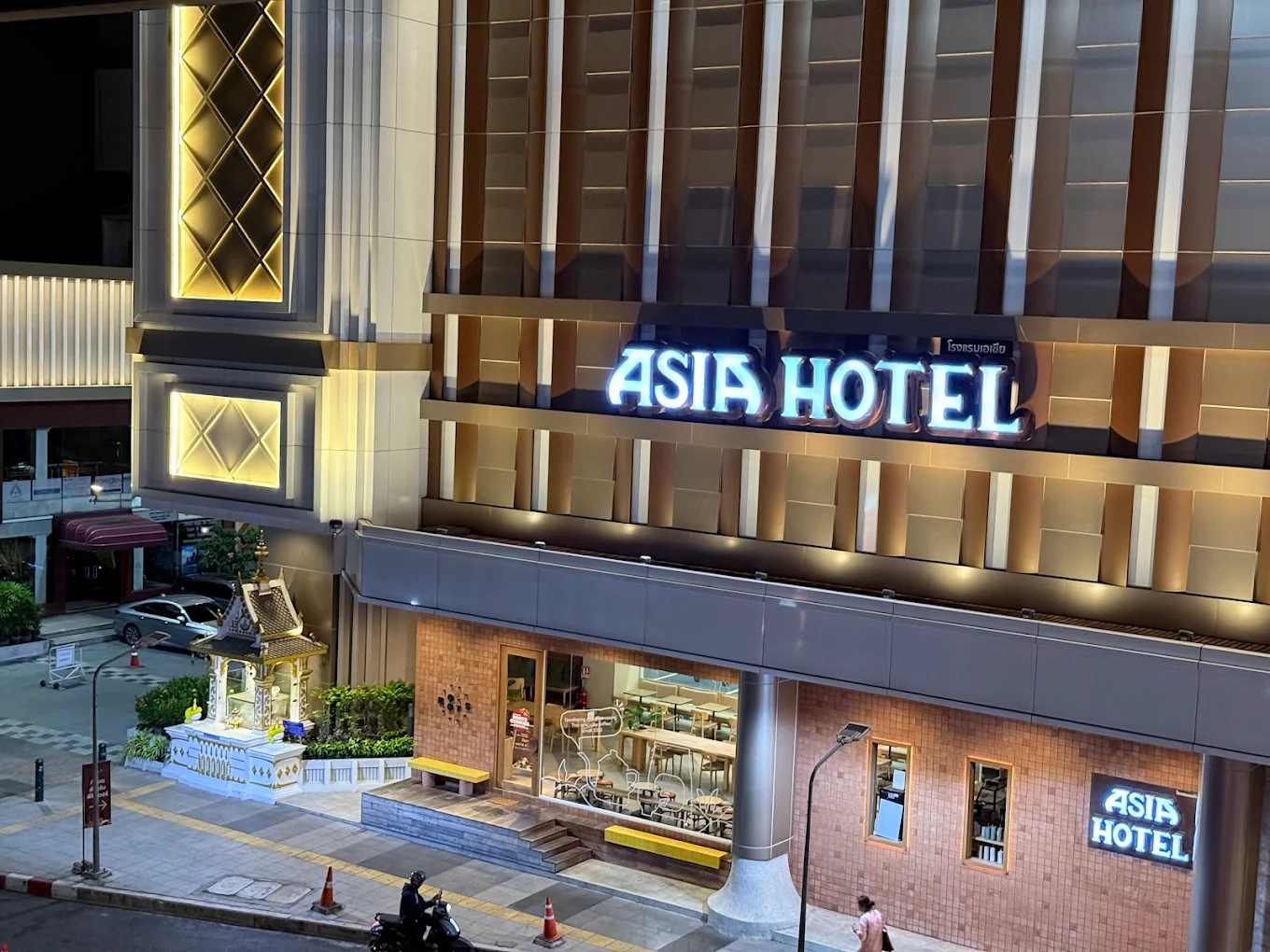
Bangkok
4-star From $52

Bangkok
4-star From $47
The next useful action is usually one of these:
A comfort-style traveler typically spends $60-100 a day including a mid-range hotel, meaning roughly $420-700 for a week excluding flights.
Yes, Bangkok is generally more affordable than Singapore or Hong Kong for equivalent hotel quality, food, and transport, especially for value and comfort travelers.
Transport and tour choices swing the budget most. Relying on BTS/MRT and public transport keeps costs far lower than frequent taxis or private transfers.
Next best step


