Bangkok
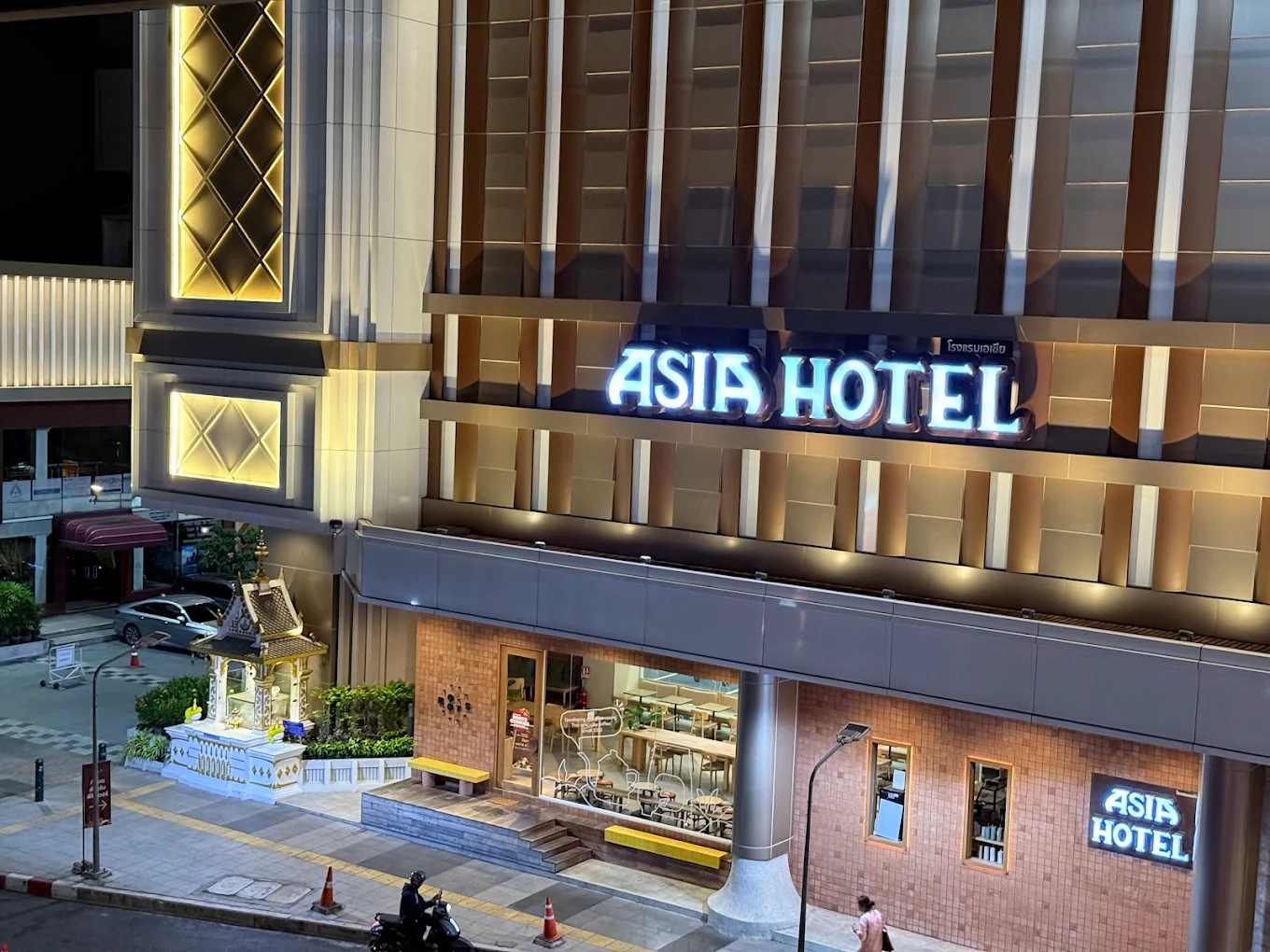
Asia Hotel Bangkok
4-star From $52

Floating Markets
Choose the right floating market style for your trip goals, schedule, and travel pace.

Affiliate disclosure: some booking links on this page are affiliate links. If you book through them, we may earn a commission at no extra cost to you. How we handle recommendations.
Planning this trip now?
Use our top recommendation first, then compare alternatives below.
Not all floating markets feel the same. Some are highly photogenic and visitor-oriented, while others are more local and practical. Your best choice depends on whether you prioritize authenticity, convenience, or visual experience.
Go early and treat it as a sensory morning, not a rushed checklist stop. The atmosphere is best before late-morning crowd buildup.
Pair your visit with one nearby cultural stop or café, then return to Bangkok before traffic peaks.
Tour descriptions often look similar, so the best comparison method is operational: pickup area, start time, actual group size, and cancellation terms. These four details determine whether your day feels smooth or tiring. If you are staying outside central pickup zones, confirm transfer assumptions before you pay.
For Bangkok, half-day formats are usually best on short itineraries because they preserve flexibility for food and evening plans. Full-day options work well when you intentionally keep the following evening light. Travelers who stack multiple full-day tours back-to-back often experience fatigue and end up skipping the parts they were most excited about.
A practical strategy is to pre-book one must-do tour and keep secondary tours flexible until you settle into the city. This avoids overcommitting while still protecting your priority experience from last-minute sellouts. It also helps if weather changes your preferred day for market, river, or historical activities.
If your itinerary includes early flights or long transfers, avoid booking tours that start too aggressively the next morning. In Bangkok, realistic pacing beats theoretical efficiency every time.
The smartest use of this guide is to decide whether this experience deserves a fixed booking or should stay flexible. If it saves meaningful time, transport friction, or planning stress, book it early. If it is nice-to-have rather than essential, keep it as a backup and protect the rest of the itinerary first.
If you want this plan to feel easier in real life, match your hotel to the rhythm of the page instead of picking a random deal.
Hotel picks
A few well-placed stays from our deal list, easy to compare on Klook.
Bangkok
4-star From $52

Bangkok
4-star From $47
The cleanest conversion path after this page is:
Early morning, ideally before 9am, for the best atmosphere, cooler temperatures, and before tour buses arrive in large numbers.
It's recommended on weekends when markets are busiest, but weekday visits are usually fine to arrange with less notice.
Taling Chan is the closest to central Bangkok, making it the easiest option for a short morning visit without a full-day commitment.
Ready to plan?
Use our comparison page to pick a tour format that matches your travel style.
Next best step


